

Assisted living can support senior mobility by combining safe surroundings, regular movement, help with daily tasks, and access to activities that encourage residents to stay active. The goal is not to make every resident exercise in the same way. It is to help each person move as safely and independently as possible.
For older adults and families in Dickson City, mobility may become more difficult because of arthritis, balance changes, muscle weakness, vision problems, recovery from illness, or fear of falling. An assisted living setting can address these concerns throughout the day rather than treating movement as a separate task.
How does assisted living help older adults stay mobile?
Assisted living supports mobility through daily routines that encourage walking, standing, reaching, and changing positions. Residents may walk to meals, participate in group activities, move through common areas, or receive assistance with bathing and dressing while still doing the portions they can manage independently.
This approach matters because mobility is influenced by frequent small movements, not only formal exercise. A person who safely stands several times a day, walks short distances, and practices transfers may maintain more function than someone who remains seated for long periods.
Support may include:
- Reminders to use a walker, cane, or other prescribed device correctly
- Assistance with transfers from a bed, chair, or toilet
- Supervision in areas where a fall is more likely
- Encouragement to participate in suitable activities
- Help with personal care that reduces unsafe rushing or overexertion
- Clear walking paths and seating areas for planned rest breaks
The level of assistance can change over time. A resident may need close help after an illness and later return to walking with less support.
Why are daily activities important for mobility?
Routine activities help preserve practical movement skills. Mobility is not limited to walking across a room; it also includes standing from a chair, turning, reaching for an item, using stairs when appropriate, and maintaining balance while performing daily tasks.
Assisted living routines may give residents natural opportunities to practice these abilities. For example, getting ready for the day may involve sitting upright, standing with support, walking to the bathroom, and selecting clothing. Meals may provide another reason to leave the apartment or room and walk to a shared dining area.
These activities should not become tests of independence. If a resident is tired, dizzy, in pain, or unsteady, assistance may be needed. The purpose is safe participation, not forcing movement beyond a person’s ability.
What types of activities can improve strength and balance?
Appropriate activities often combine gentle strengthening, balance practice, flexibility, and walking. The safest choices depend on medical conditions, fall history, endurance, and whether a person uses mobility equipment.
Common examples include:
- Seated leg raises or ankle movements
- Supported standing exercises
- Gentle stretching
- Short supervised walks
- Chair-based movement classes
- Light household or recreational tasks
- Balance activities performed near a stable support
- Music, gardening, crafts, or games that involve reaching and changing position
Group activities may also address social isolation, which can indirectly affect mobility. Someone who feels connected and interested in daily life may be more willing to leave a room, attend an activity, or practice walking.
Residents should not begin a new exercise routine simply because an activity is popular. Pain, chest discomfort, unusual shortness of breath, faintness, or sudden weakness requires stopping the activity and seeking appropriate medical guidance.
How does assisted living reduce fall risks without restricting movement?
Fall prevention works best when it reduces hazards while preserving reasonable independence. Excessive restriction can lead to inactivity, loss of strength, and greater dependence over time.
A safer environment may include:
- Adequate lighting in bedrooms, hallways, bathrooms, and shared areas
- Clear floors without loose cords, clutter, or unstable rugs
- Handrails and grab bars where needed
- Chairs with stable arms and suitable seat heights
- Frequently used items placed within safe reach
- Non-slip flooring and dry walking surfaces
- Rest areas along longer walking routes
- Staff awareness of changes in balance, alertness, or walking ability
Seasonal conditions also deserve attention in northeastern Pennsylvania. Snow, ice, wet entryways, and bulky winter clothing can affect balance and confidence. Residents may need safer indoor walking options when outdoor surfaces are slippery or temperatures make outdoor activity uncomfortable.
Fall prevention should also consider medication effects, dehydration, poor vision, low blood pressure, and footwear. A person may appear to have a walking problem when the underlying issue is dizziness or a medication-related change.
What role does physical therapy play?
Physical therapy may help residents improve walking, strength, balance, transfers, or the use of mobility equipment. It is especially useful after a fall, hospitalization, joint replacement, stroke, or prolonged period of bed rest.
A physical therapist may assess:
- Leg and core strength
- Walking pattern and stride
- Balance during turns
- Ability to rise from a chair
- Safe transfer techniques
- Walker, cane, or wheelchair use
- Endurance and fatigue
- Barriers in the resident’s living space
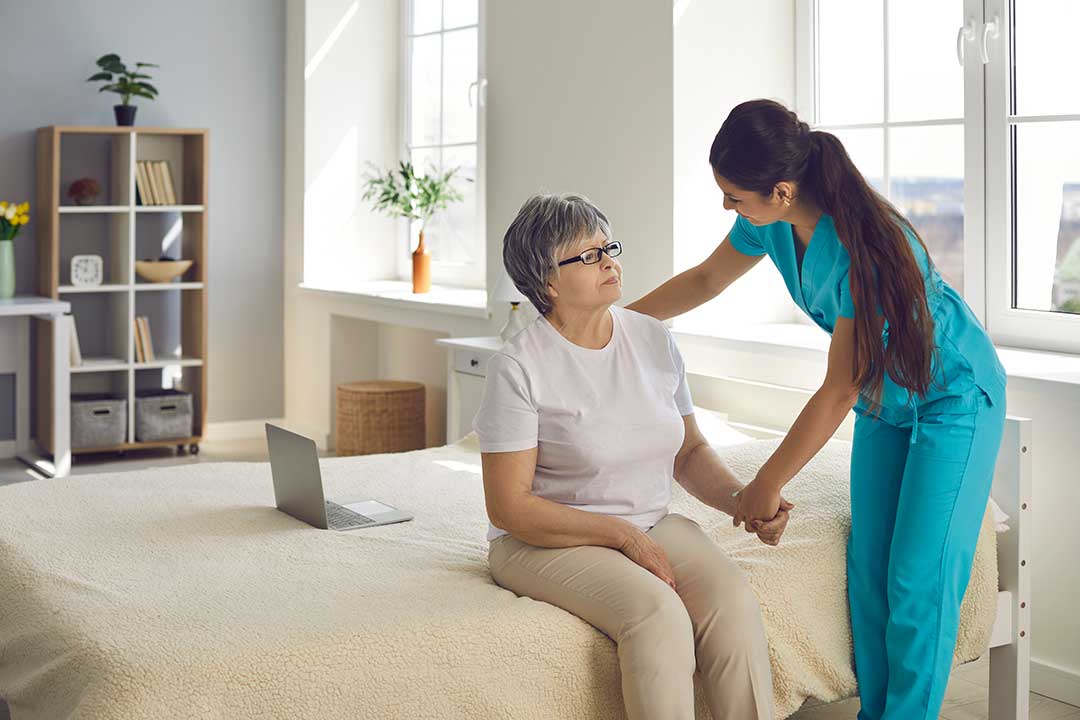
The therapist may recommend exercises or changes to daily routines. Assisted living staff can then reinforce those techniques during ordinary activities, provided the plan is consistent with medical instructions.
Physical therapy is not the only source of mobility support. Nursing observations, personal care assistance, activity programming, and family communication may all help identify changes before they become serious.
Can assisted living support residents who use wheelchairs or walkers?
Yes. Mobility support does not always mean helping someone walk without equipment. For many residents, independence means using a wheelchair safely, operating a walker correctly, or transferring between surfaces with the right level of help.
A mobility device should fit the resident and be used according to professional instruction. Problems can arise when a walker is too tall, wheelchair brakes are not secured during transfers, or a resident tries to carry objects while using a walking aid.
Residents may also need practice navigating doorways, elevators, dining areas, bathrooms, and outdoor paths. A device that works well in one setting may be harder to use in a crowded or uneven area.
The objective is safe, reliable movement—not meeting an expectation that every resident should walk independently.
What should families watch for after a move?
Changes in mobility may be gradual. Families can ask whether the resident is walking less, avoiding activities, needing more help to stand, or appearing fearful in unfamiliar spaces.
Other warning signs include:
- New or repeated falls
- A change in walking speed or posture
- Increased reliance on furniture for support
- Unexplained bruising
- Difficulty getting out of a chair
- New confusion during transfers
- Complaints of pain, dizziness, numbness, or weakness
- Spending much more time in bed or a chair
A sudden change should be reported promptly because it may signal an injury, infection, medication problem, stroke, dehydration, or another medical concern. Safe mobility depends on recognizing these changes early.
How can families encourage mobility without creating pressure?
Families can support movement by focusing on confidence, routine, and participation rather than performance. A short walk, a meal in a shared area, or a seated activity may be meaningful progress for someone recovering from illness.
Helpful questions include:
- What activities does the resident enjoy?
- What time of day is the resident strongest?
- Which movements cause pain or fear?
- What equipment has been recommended?
- What assistance is needed, and what can the resident safely do alone?
- Has mobility changed recently?
Encouragement should not involve pulling someone up, rushing a transfer, or urging a person to ignore pain. Calm pacing and clear communication are safer than hurried assistance.
Assisted living can promote senior mobility by making movement part of everyday life while matching support to the resident’s abilities. Safe design, regular activity, appropriate equipment, observation, and coordinated care can help older adults remain involved in daily routines without treating independence as an all-or-nothing goal.
