
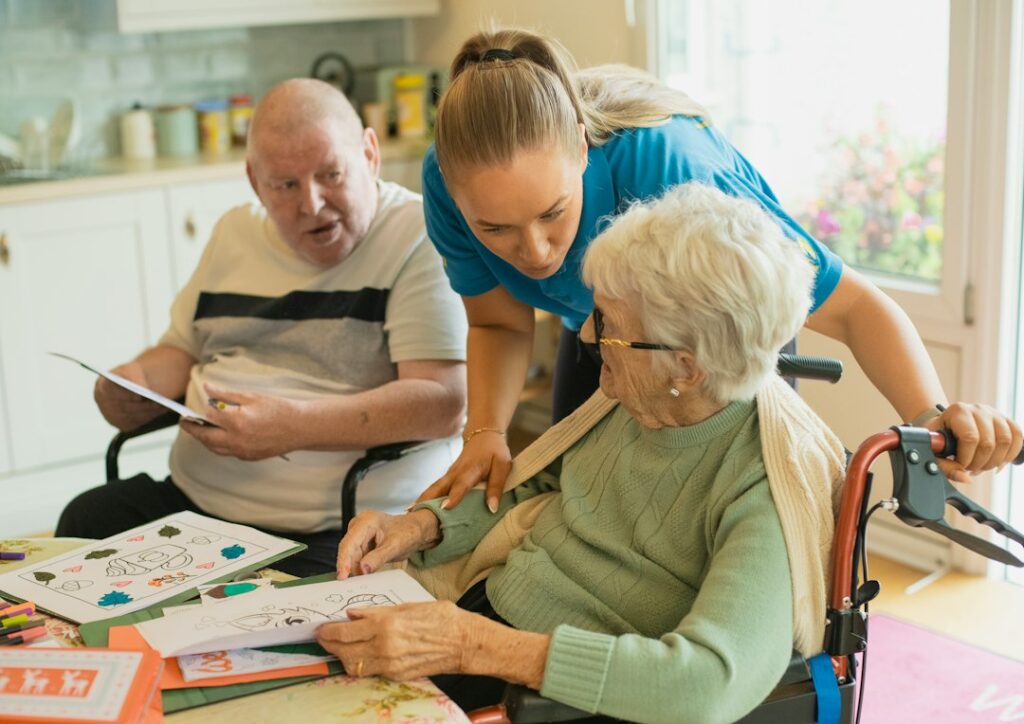
Assisted living can help older adults manage chronic conditions by adding structure, observation, and practical assistance to everyday routines. It does not replace a primary care clinician, specialist, hospital, or skilled nursing facility, but it can make it easier to follow a care plan and notice health changes early.
What does chronic condition management include?
Chronic condition management means handling a health problem that lasts for months or years. Common examples include diabetes, heart disease, arthritis, chronic lung disease, high blood pressure, Parkinson’s disease, and memory-related conditions.
Management may involve:
- Taking medications at the correct times
- Following nutrition or fluid guidelines
- Monitoring symptoms, weight, blood pressure, blood sugar, or breathing
- Keeping medical appointments
- Staying physically active within safe limits
- Preventing falls, infections, dehydration, and avoidable complications
- Reporting changes to the appropriate health care professional
The goal is usually not to eliminate the condition. The goal is to maintain the resident’s best possible function, comfort, safety, and quality of life.
How can assisted living help with medications?
Medication routines are one of the clearest ways assisted living may support chronic disease management. Depending on a resident’s assessment and support plan, staff may provide reminders, secure storage, assistance with self-administration, or medication administration by appropriately trained personnel.
This support can help with problems such as:
- Forgetting a morning or evening dose
- Confusing similar-looking medications
- Taking the wrong amount
- Running out of a prescription
- Missing changes made after a medical visit
- Combining prescription medicines with over-the-counter products without realizing the risks
In Pennsylvania, medication support is based on the resident’s assessed abilities. A person may be able to manage some medicines independently but need help with others. A significant change in health, cognition, vision, strength, or coordination may require the support plan to be reviewed.
Medication assistance should not be viewed as a substitute for regular medication reviews. Residents and families should still ask the prescribing clinician or pharmacist whether medicines remain necessary, whether doses are appropriate, and whether side effects could be contributing to dizziness, confusion, constipation, sleepiness, or falls.
Does assisted living provide medical care?
Assisted living is a residential setting with personal care, supervision, and support services. It is different from a nursing home or hospital, where residents generally have more intensive medical needs and clinical services.
An assisted living residence may help coordinate care, communicate observations, support a prescribed routine, and arrange access to health services. It may not be equipped to manage every stage of advanced illness, unstable symptoms, complex wound care, frequent injections, or continuous skilled nursing needs.
Before a move, families should ask specifically:
- What health conditions can the residence safely support?
- Is a nurse available on site, on call, or through another arrangement?
- Who checks vital signs or other measurements when ordered?
- How are urgent changes handled?
- What happens after a hospital discharge?
- Under what circumstances would a resident need a higher level of care?
The answers can differ by residence, so general assumptions are unreliable.
How does staff observation help?
Many chronic conditions worsen gradually. A resident may not recognize a meaningful change, or may not mention it because it seems minor. Regular observation can provide useful information for the care team.
Staff may notice changes such as:
- Increasing shortness of breath
- New swelling in the legs
- Reduced appetite or fluid intake
- Sudden weight gain or loss
- More frequent bathroom accidents
- New confusion or unusual sleepiness
- Increased pain or difficulty walking
- A change in mood, balance, or ability to complete daily activities
Observation alone does not diagnose a medical problem. It gives families and clinicians information that may support earlier evaluation. A written record of symptoms, dates, food or fluid intake, medication concerns, and functional changes can be especially helpful during appointments.

Can assisted living support diabetes, heart disease, or lung disease?
It may support the daily routines associated with these conditions, but the exact services depend on the resident’s needs and the residence’s capabilities.
For diabetes, support may include reminders, meal coordination, observation for signs of low or high blood sugar, and assistance with approved monitoring or medications. Insulin and other treatments require clear medical orders and trained personnel.
For heart disease, staff may help track changes in weight, swelling, fatigue, breathing, activity tolerance, and appetite. A sudden increase in swelling or breathlessness should be reported promptly rather than treated as a normal part of aging.
For chronic lung disease, consistent medication routines, avoidance of respiratory irritants, hydration as directed, and awareness of changes in coughing or breathing can be useful. During winter weather in Dickson City, PA, cold air and icy conditions may also affect outdoor activity and increase fall concerns. Indoor walking, planned activity, and safe transportation arrangements can help preserve movement when conditions are poor.
What role do meals and daily routines play?
Regular meals and consistent daily schedules can make chronic conditions easier to manage. Assisted living may provide meals that account for documented dietary needs, allergies, swallowing concerns, or prescribed restrictions.
However, “heart healthy,” “diabetic-friendly,” or “low sodium” does not mean the same thing for every person. A diet appropriate for one condition may need adjustment because of kidney disease, weight loss, medication effects, or swallowing problems. Dietary changes should follow the resident’s medical plan rather than informal rules.
A predictable routine can also support:
- Better sleep and wake patterns
- More consistent medication timing
- Regular hydration
- Safer bathing and dressing
- Participation in exercise or therapy
- Recognition of changes in appetite or energy
Routine should provide structure without removing personal choice. Residents should remain involved in decisions about food, activities, appointments, and daily preferences as much as their abilities allow.
How can families participate in chronic care management?
Family involvement is most useful when information is shared consistently. A family member may know the resident’s usual personality, walking ability, appetite, or symptom pattern and can identify changes that are difficult to measure.
Helpful questions include:
- What changes have staff observed since the last visit?
- Has the resident missed medications, meals, or activities?
- Has balance or walking ability changed?
- Are there repeated symptoms at a certain time of day?
- Has the resident returned to the same level of function after an illness or hospitalization?
- Does the current support plan still match the resident’s needs?
Pennsylvania residents also have rights related to privacy, access to health care, participation in services, and review of their records. A resident’s permission and applicable privacy rules should guide what information can be shared with family members.
What warning signs require prompt attention?
Some changes should not wait for a routine care-plan meeting. Urgent medical help may be needed for severe breathing difficulty, chest pressure, fainting, signs of stroke, uncontrolled bleeding, a serious fall, sudden severe confusion, or dangerously low blood sugar.
Less dramatic changes still deserve timely communication when they persist or worsen. Repeated falls, declining food intake, new nighttime confusion, increasing weakness, or frequent medication refusals can signal that the current plan needs to be reassessed.
Assisted living works best for chronic condition management when the resident, family, residence staff, and health care professionals share clear information. The setting can provide dependable daily support, but ongoing clinical decisions remain part of the resident’s broader health care plan.
